In an age where your smart watch, your car, and your coffee machine are connected to the internet, our lives are truly lived in cyberspace. This digital, Artificial Intelligence (AI), and cybersecurity domain offers unprecedented convenience and power, but with every new connection comes a new doorway for risk.
Cybersecurity the practice of protecting systems, networks, and data from digital attacks-is no longer just an IT department’s concern. It is a fundamental requirement for business survival, national security, and personal well-being.
Here is why strong cybersecurity and ethical hacking is the most important investment you can make today, whether you’re a multi-national corporation or an individual digital citizen.
The Staggering Cost of Complacency Cybersecurity
The most compelling argument for strong security is enormous, and often hidden, cost of failure. When a breach occurs, the financial damage extends far beyond simple recovery.
The Business Impact
Massive financial loss: The average cost of data breach globally reached $4.44 million in 2025, and in sectors like healthcare and finance, the costs are even higher due to strict regulations.
Reputational damage: A data breach instantly erodes customer trust. Companies that fail to protect client data often face long-term customer attrition and public scorn, which is hard to recover from. In fact, 60% of small business go out of business within six month of a cyberattack.
Regulatory penalties: Data privacy laws like GDPR (Europe) and CCPA (California) impose huge financial penalties for non-compliance, sometimes calculated as a percentage of global annual revenue.
The personal impact: For individuals, the cost is often measured in stress, time, and lost opportunities:
Identity theft: Attackers steal Personally Identifiable Information (PTI) to open new lines of credit, commit fraud, or file false tax returns, which can take months or years to resolve.
Financial Fraud: Direct theft from bank accounts or extortion of money through ransomware (where access to your files is locked until a ransom is paid).
Beyond the money: The core pillars of protection
Cybersecurity is important because it protects the three fundamentals’ properties of information-known as the C-I-A Triad:
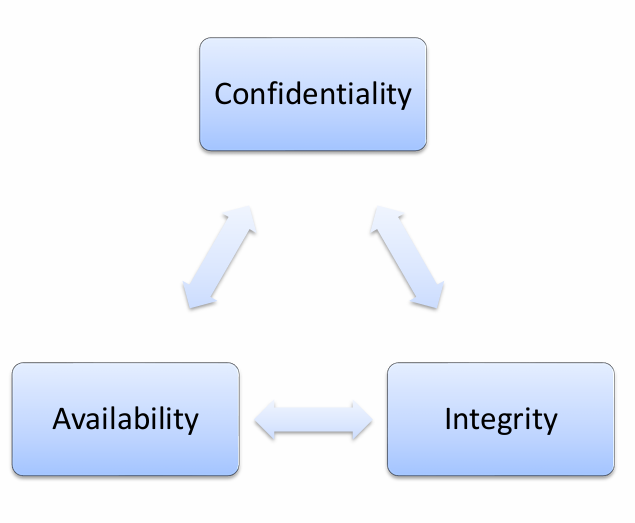
- Confidentiality (Data Protection)
This is the most obvious benefit: ensuring only authorized users can access sensitive information.
For Business: Protecting intellectual property, trade secrets, merger details, and employee records.
For Individuals: Keeping your passwords, banking details, and private communications secure from prying eyes.
2. Integrity (Data Accuracy
Security ensures that information remains accurate and is not tampered with by unauthorized parties.
Example: In a hospital, strong integrity ensures a patient’s medical history or drug prescription is precisely what the doctor intended, preventing life-threatening errors. In business, it ensures financial reports are not manipulated for fraud.
3. Availability (Operational Continuity)
This ensures that authorized users can access the information and systems when they need them.
Example: A robust defense against a Denial-of-Service (DDoS) attack ensures your company website or online store remains accessible to customers, directly protecting revenue and reputation.
The Expanding Threat Landscape
The need for cybersecurity is only growing because the threat landscape is constantly evolving and that threat includes:
- Remote work (Unsecured wi-fi and personal devices)
- IOT devices
- AI-Powered attacks
- Ransomware attacks.
Your Personal Call to Action and Prevention from Cyber Threats
Cybersecurity isn’t just a corporate battle; it starts with you. The significant percentage of attacks are preventable by following basic best practices:
- Use Multi-Factor Authentication (MFA). This is the single most effective step you can take. If a password is stolen, MFA prevents the hacker from logging in.
- Use strong, unique password. Use a password manager to create and store complex passwords for every single account.
- Stay updated and always install software and app updates/patches immediately. These updates often contain critical security patches to fix known vulnerabilities.
- Think before you click. Phishing remains one of the most common attack vectors. Treat every unsolicited email, text, or phone call asking for personal information with deep skepticism.
- In the digital world, nothing is truly secure unless it is actively defended. Making cybersecurity a priority today is the best way to safeguard your future in the connected world.